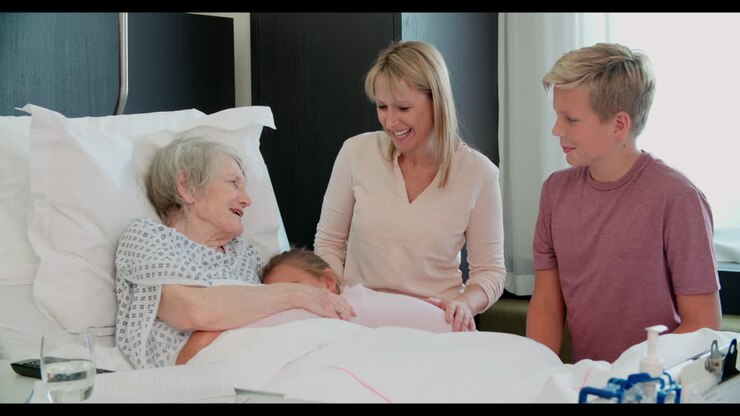
You're not supposed to know what to do here. Most of our families had never been part of a hospice journey before, either.
The pages below were written by our team and refined by hundreds of Oakland County families. Browse what you need. Skip what you don't. Call us when it helps.

The most-searched question in our category. We wrote a guide that answers it honestly — at your pace, with no pressure to act. Most families wait too long. We wrote this so yours doesn't have to.
Read the full guideEach one written for a specific moment, a specific question, a specific worry. Browse what fits your family today.
Seven signs hospice may help, scripts for the hardest conversations, and what happens when you call us.
Read the guidePractical guides, downloadable trackers, support groups, and self-care tools for the family caregiver.
Browse resourcesTake a weekend off. Medicare covers up to 5 consecutive days of inpatient respite — here's how to use it.
Learn about respiteGrief doesn't end when hospice ends. Our 13-month bereavement program walks alongside families after a loss.
Find supportEverything families ask in the first week — about coverage, eligibility, what to expect, and what to do next.
Read all FAQsPractical handouts families turn to most — free to download, no email required.
You — the spouse, the adult child, the sibling holding it all together — are part of this care, too. Bluebird is here for you, not just the patient on the bed.
Caregiving is one of the most rewarding jobs on the planet. It can also be one of the most exhausting. Often the caregiver forgets to take time to care for themselves. We can help.
The short, honest versions of the questions we hear most. The full FAQ has thirty more.
For most families: no. The Medicare hospice benefit covers everything related to the terminal diagnosis at 100% — visits, equipment, medications, supplies, and 24/7 nurse access. Most private and Medicare Advantage plans follow the same model. We verify your specific benefits before any care begins, so there are no surprises.
No. Hospice is choosing where the next chapter happens — not stopping the story. It means shifting the goal of care from cure to comfort, often after curative treatment has stopped working. Many families describe the weeks or months in hospice as more meaningful than what came before, because the focus changes from procedures to people.
Often the same day. We aim for an evaluation visit within 4–8 hours of your first call, equipment delivery within 24 hours, and the first scheduled care visit within 24–36 hours. Same-day admissions are routine for us. There's no waitlist.
You can leave hospice at any time, for any reason — and you can return later if it makes sense. Hospice is not a binding contract. Some families pause hospice when their loved one stabilizes and resume later. Some leave to try a new treatment and come back. Decisions stay with your family, always.
Most of our patients stay exactly where they are — at home, in their assisted-living suite, or in their nursing facility room. Hospice travels to them. The team comes to you. The only time a move happens is when the family chooses an inpatient hospice setting for short-term symptom control or respite, and even those are usually temporary.
Read what helps. Skip what doesn't. When you're ready to talk, our nurses pick up day or night — no commitment, no pressure, just real answers from real people who do this work.
(248) 264-3704